Archive for the
‘Uncategorized’

As we navigate through 2026, the global trade show landscape is more dynamic and competitive than ever before. Whether you are showcasing your brand at the bustling Dubai World Trade Centre or any major international venue, simply blending into the background is no longer an option. Today’s attendees demand more than just a place to pick up brochures; they seek memorable, immersive, and valuable experiences.

In this comprehensive guide, we will explore the most impactful exhibition stand design trends shaping the industry this year. From interactive technology to breathtaking aesthetics, we will provide you with the secrets to designing a booth that commands attention, engages visitors, and drives genuine business growth.

Why Custom Exhibition Stands in Dubai Are a Game-Changer

Dubai is a global hub for innovation, commerce, and networking, hosting some of the largest and most prestigious trade shows in the world. Competing in this high-stakes environment requires a strategic and elevated approach.

The Power of First Impressions

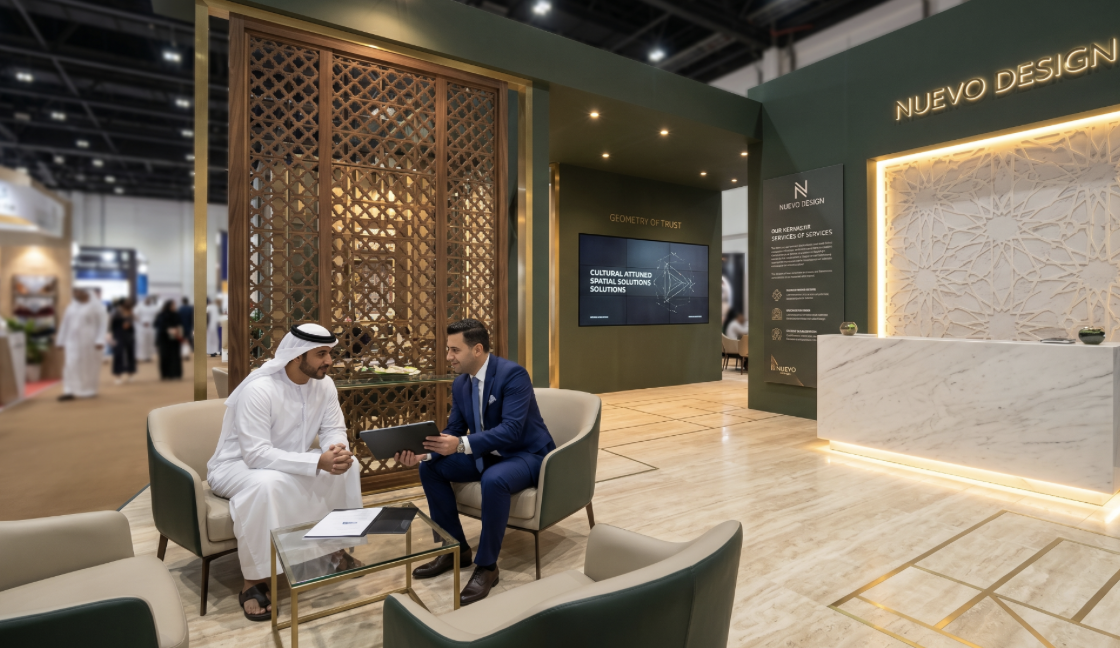
Attendees make split-second decisions about which booths to visit as they walk down the aisles. A generic, off-the-shelf stall simply won’t cut it when surrounded by industry giants. Investing in high-quality custom exhibition stands Dubai allows you to tailor every square inch of your space to reflect your brand identity perfectly. Custom designs give you the flexibility to incorporate unique architectural elements, tailored lighting, and specialized interactive zones that resonate directly with your target audience.

Top Exhibition Stand Design Trends for 2026

To stay ahead of the curve, your booth needs to embrace the latest shifts in design, psychology, and technology. Here are the leading trends defining innovative exhibition design in 2026.

1. Immersive and Interactive Technologies

Gone are the days of static displays and printed banners. The most successful booths in 2026 rely heavily on immersive tech to tell their brand story.

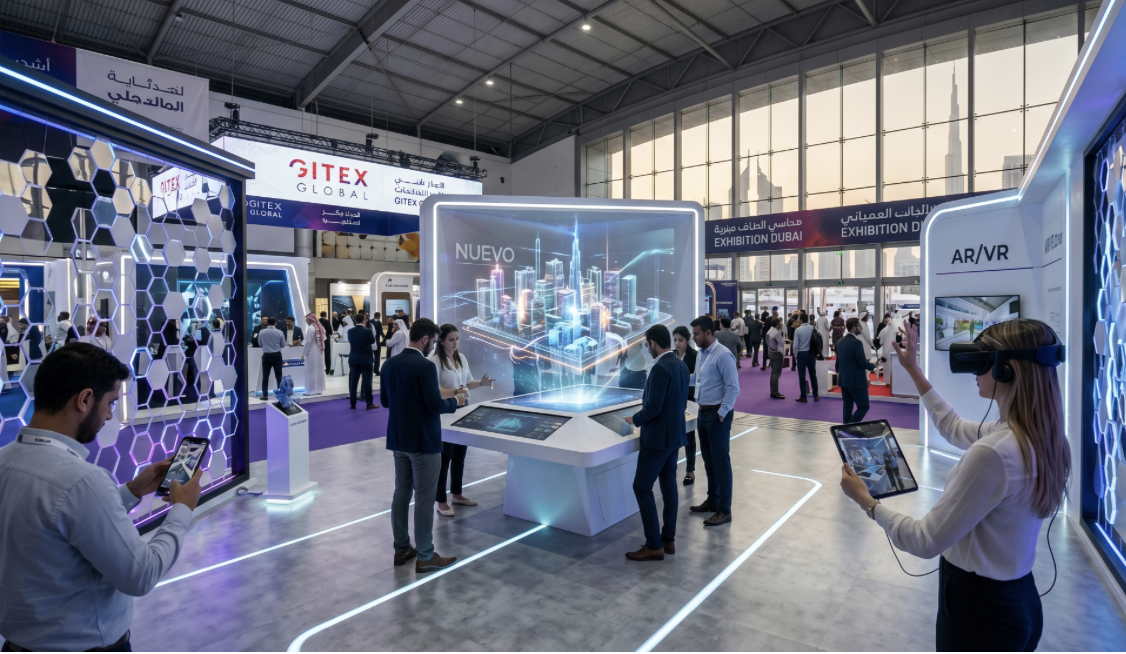
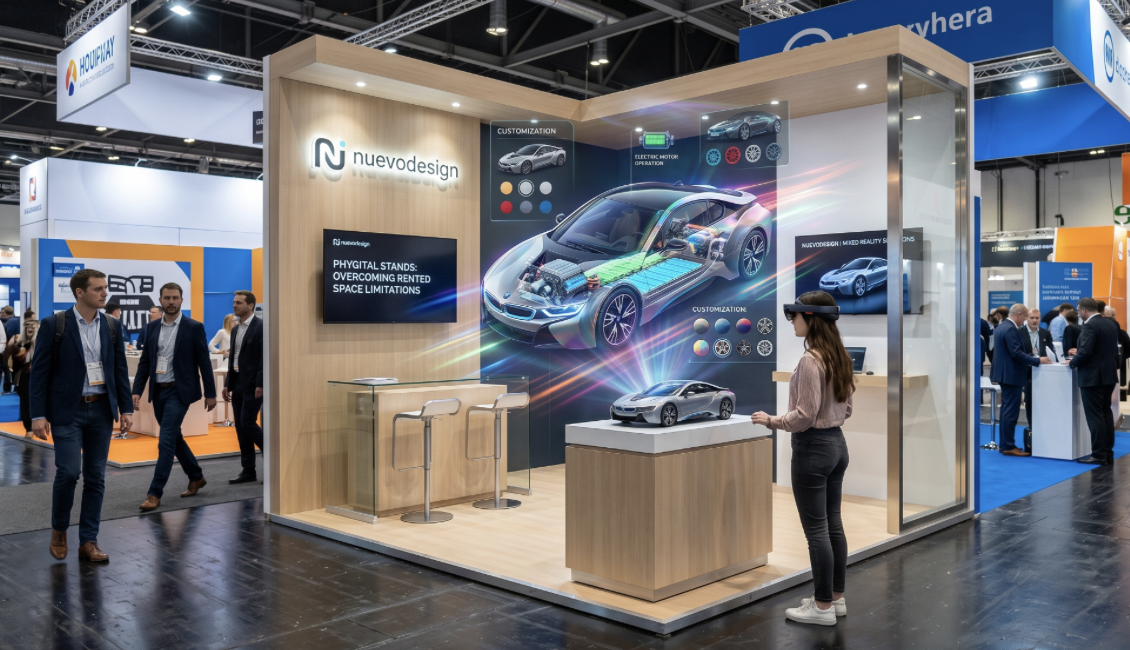
  • Augmented Reality (AR) and Virtual Reality (VR): These tools allow visitors to interact with your products in a virtual space, offering a hands-on experience even for large-scale machinery, real estate, or complex software solutions.
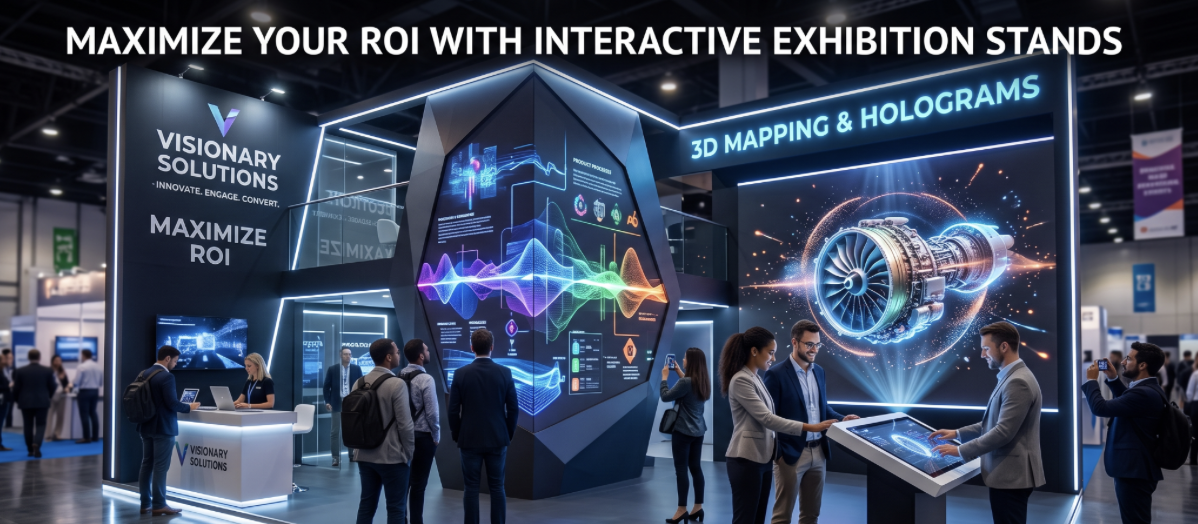
  • Holographic Displays: 3D holograms are becoming more accessible. They act as guaranteed crowd-pullers, instantly elevating your brand’s high-tech appeal and stopping passersby in their tracks.
  • AI-Powered Assistants: Integrating smart touchscreens with AI avatars helps answer standard visitor queries instantly, freeing up your sales team to handle high-value leads.

2. Sustainable and Eco-Friendly Materials

Sustainability is no longer just a marketing buzzword; it is a fundamental requirement. Trade show attendees and organizers increasingly prioritize environmentally responsible brands.

  • Modular Structures: Using reusable, modular frames reduces waste and lowers long-term logistics costs.
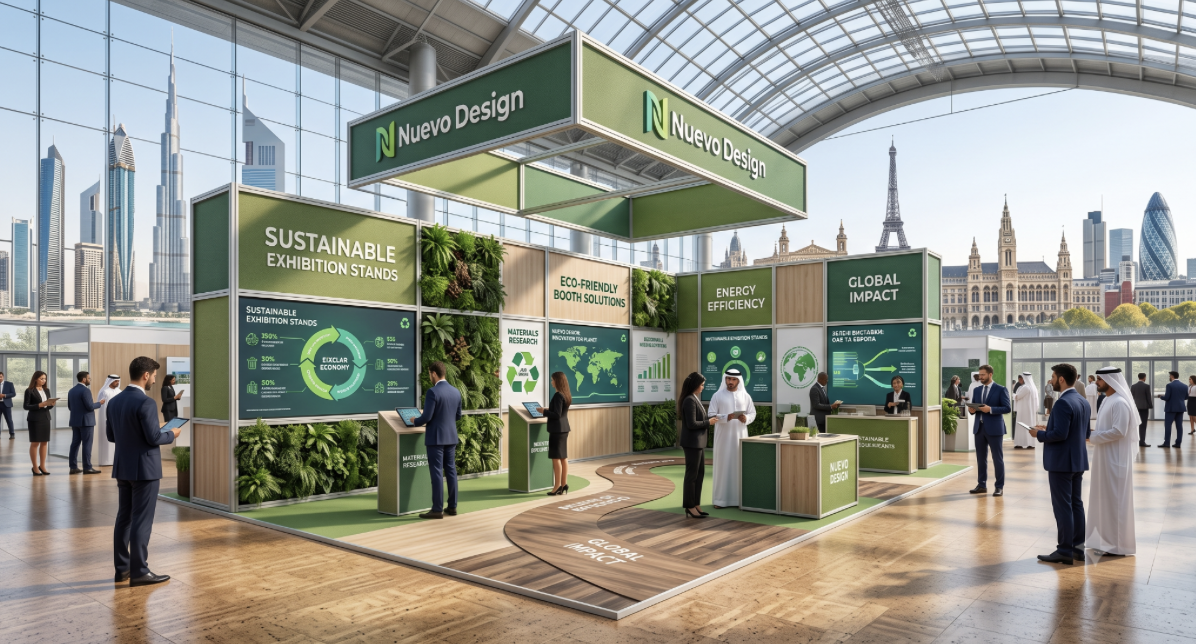
  • Eco-Conscious Materials: Bamboo, recycled plastics, and biodegradable tension fabrics are rapidly replacing traditional, single-use materials like heavy MDF.
  • Energy-Efficient Lighting: Utilizing low-energy LED systems not only reduces your carbon footprint but also allows for dynamic, programmable lighting effects.

3. Multi-Sensory Brand Experiences

Engaging multiple senses creates a much stronger emotional connection with your audience. Think beyond visual appeal to create a truly memorable environment.

  • Scent Marketing: Introducing a subtle, customized fragrance to your booth area can trigger positive memories and create a highly welcoming atmosphere.
  • Acoustic Control: Creating a branded soundscape or using directional audio can immerse visitors in your story while drowning out the chaotic noise of the trade show floor.
  • Tactile Surfaces: Incorporating contrasting textures – such as sleek digital glass paired with natural, warm wood – encourages visitors to physically interact with your space.

Innovative Trade Show Booth Ideas to Attract Visitors

Understanding the trends is the first step, but how do you translate them into actionable concepts? Here are some highly effective trade show booth ideas you can implement for your next event.

Dynamic Lighting and Kinetic Ceilings

Lighting is one of the most cost-effective ways to transform a physical space. In 2026, we are seeing a massive surge in kinetic lighting – overhead installations that move, change shape, and shift color in sync with music or presentations. An illuminated, moving canopy acts as a visual beacon, drawing visitors from across the massive exhibition hall.

The “Oasis” Concept: Creating a Comfort Zone

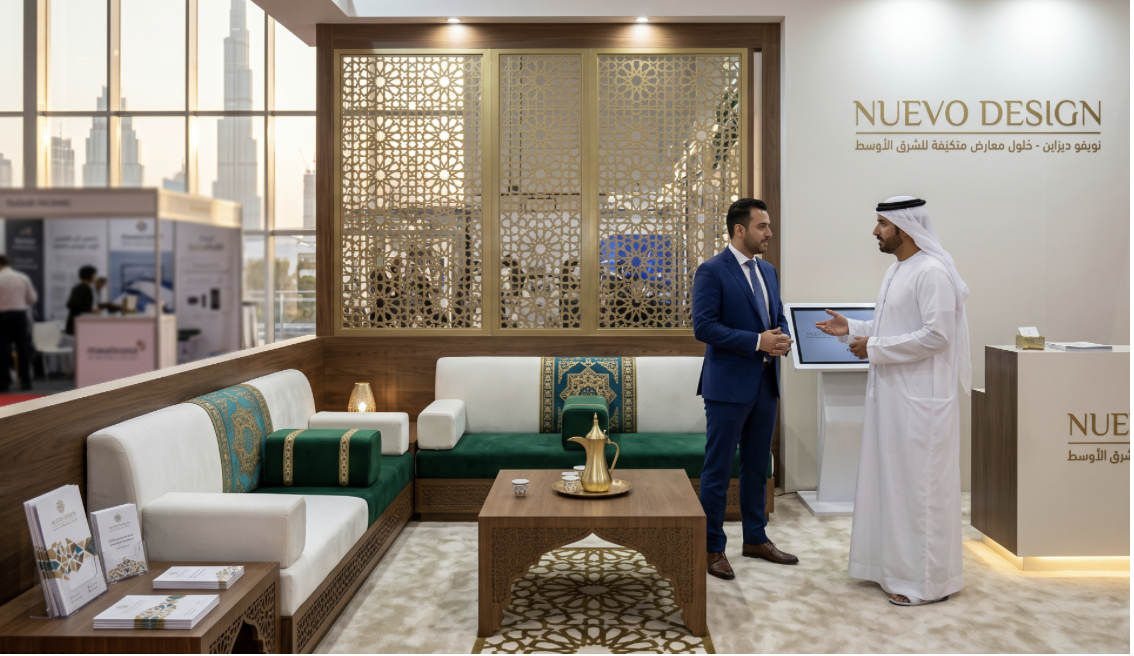
Exhibitions can be physically and mentally exhausting for attendees. One of the smartest strategies is to design a portion of your stand as a relaxing oasis. Incorporate comfortable lounge seating, fast-charging stations, and a complimentary coffee bar. When you provide a comfortable space for attendees to rest, you significantly increase their dwell time, giving your team more opportunities to initiate natural, meaningful conversations.

Gamification and Live Competitions

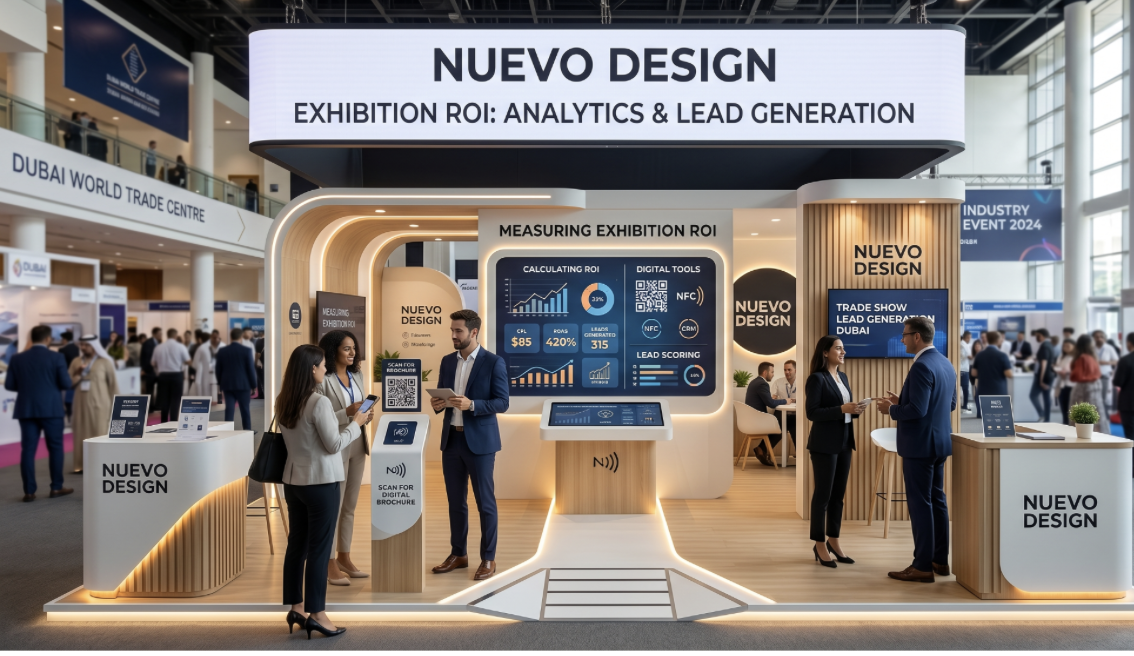
Human beings are naturally competitive. Incorporating a digital leaderboard, a quick VR challenge, or an interactive touchscreen quiz related to your industry is an excellent way to capture attention. Gamification not only draws a large crowd but also serves as a brilliant lead-generation tool, as attendees willingly provide their contact details to participate and win prizes.

Step-by-Step Guide: Planning Your 2026 Exhibition Stand

Creating a show-stopping booth requires meticulous planning. Follow these steps to ensure success:

Step 1: Define Clear Objectives

Before thinking about design, establish what you want to achieve. Are you launching a new product, aiming to collect a specific number of qualified leads, or purely focusing on brand awareness and PR?

Step 2: Understand Your Audience

If you are exhibiting in Dubai, your audience will likely be highly international, diverse, and accustomed to luxury and high-tech experiences. Tailor your messaging, language, and booth aesthetics accordingly.

Step 3: Prioritize Seamless Flow (UX)

Even the most stunning booth will fail if it is difficult to navigate. Avoid creating physical barriers at the entrance. Open-plan layouts invite attendees to walk in freely. Use strategic flooring changes or overhead lighting to define different zones (e.g., a product demonstration area versus a VIP meeting lounge).

Step 4: Collaborate with Design Experts

Engage with a professional design agency early. The best custom stands are planned months in advance to ensure flawless execution and compliance with strict venue regulations.

Frequently Asked Questions (FAQ)

What is the most important element of an exhibition stand? The most critical element is a strong brand identity coupled with clear, concise messaging. Visitors should know exactly who you are and what problem you solve within three seconds of seeing your booth.

How can I make a small booth stand out among larger competitors? Focus on height and high-impact lighting. Use your vertical space for high-level branding, implement dynamic LED walls, and keep the floor plan completely open to avoid a cramped feeling.

Are custom exhibition stands worth the investment? Absolutely. While standard shell-scheme booths are cheap, they do nothing for your brand image. Custom stands are tailored specifically to your marketing goals, maximizing audience engagement, generating higher-quality leads, and ensuring you don’t look identical to your competitors.

Conclusion: Partnering for Success

The exhibitions of 2026 are all about creating memorable, sustainable, and technologically advanced experiences. By implementing these modern trends and focusing on bespoke solutions, you can ensure your brand stands out, attracts the right audience, and achieves an impressive return on investment.

To bring these ambitious concepts to life, you need a partner who understands both cutting-edge aesthetics and the logistical realities of major venues. At Nuevo Design, we specialize in creating high-impact environments. You can explore our portfolio of innovative designs to see how we transform spaces into powerful marketing tools.

Ready to dominate the floor at your next trade show? Don’t leave your brand’s presence to chance. Contact Nuevo Design today for a consultation, and let our team of experts craft a custom exhibition stand that will leave a lasting impression on your audience and elevate your business to new heights.


Corporate events have officially moved beyond the era of static presentations, monotonous slideshows, and predictable panel discussions. Today’s attendees – whether they are stakeholders, prospective clients, or industry peers – are seeking more than just information. They are craving unforgettable, participatory experiences. If you want to leave a lasting impression on your guests and ensure your message resonates long after the venue doors close, the answer lies in deep immersion.

The integration of interactive technologies at corporate events – specifically Virtual Reality (VR), Augmented Reality (AR), and 3D-Mapping – has fundamentally transformed how modern brands communicate. Companies looking for innovative ways to impress their guests are now leveraging these powerful digital tools to turn passive listeners into active, enthusiastic participants.

In this comprehensive guide, we will explore how you can use these cutting-edge tools to skyrocket audience engagement, boost your brand image, and ensure your next corporate gathering is the undisputed talk of the industry.

The Shift Toward Immersive Corporate Experiences

For decades, the standard corporate event followed a rigid, one-way communication formula: a speaker on stage talking to a seated audience. While effective for basic information transfer, this traditional approach often results in low audience retention, wandering attention spans, and minimal active engagement.

However, modern audiences – accustomed to high-speed digital interactions, social media, and highly personalized content – expect dynamic environments. By implementing innovative technology, event organizers can break down the invisible barrier between the stage and the audience.

When you introduce immersive technology, you are not just presenting a product or pitching a service; you are allowing your audience to step directly inside your brand’s narrative. This emotional and psychological connection is exactly what drives long-term brand loyalty.

Virtual Reality (VR): Transporting Guests to New Dimensions

Virtual Reality entirely replaces the user’s real-world environment with a meticulously crafted, simulated digital world. In the context of corporate events, VR headsets offer an unparalleled level of focused engagement. When an attendee puts on a VR headset, visual and auditory distractions fade away, and your brand commands 100% of their attention.

Key Applications of VR at Events

  • Virtual Product Demonstrations: Instead of simply explaining how a complex piece of machinery, a new architectural design, or enterprise software works, let your attendees experience it firsthand. VR allows users to interact with 3D prototypes in a safe, simulated environment, zooming in on micro-details or visualizing large-scale operations.

  • Immersive Facility Tours: Want to show off your new overseas manufacturing plant, a sustainable supply chain, or a state-of-the-art global headquarters? VR can transport your guests there instantly, providing a 360-degree walking tour without the exorbitant travel costs or logistical nightmares.

  • Gamified Team Building and Networking: Encourage networking and collaboration by placing attendees into multiplayer VR escape rooms or collaborative problem-solving challenges. Shared virtual experiences act as the ultimate icebreaker.

To see how these concepts can be seamlessly integrated into your overall event strategy, explore our specialized Interactive Solutions, designed specifically for forward-thinking brands that refuse to settle for the ordinary.

Augmented Reality (AR): Enhancing the Physical World

Unlike VR, which creates a completely enclosed digital space, Augmented Reality (AR) overlays digital information – such as high-resolution images, real-time text, or interactive 3D models – directly onto the physical world. The beauty and primary advantage of AR is its accessibility; the vast majority of your attendees can engage with AR experiences using the smartphones already sitting in their pockets.

How AR Boosts Event Engagement

  1. Interactive Name Badges and Networking: Imagine pointing your smartphone camera at a colleague’s badge and instantly seeing a digital overlay of their LinkedIn profile, shared professional interests, or a fun digital avatar. This removes the awkwardness from networking and makes connections effortless.

  2. Wayfinding and Smart Navigation: Large corporate venues, convention centers, and sprawling exhibition halls can be overwhelming. AR applications can overlay directional arrows on the floor through a smartphone screen, guiding guests seamlessly to their next breakout session, VIP lounge, or workshop.

  3. Digital Swag Bags and Sustainability: Reduce physical waste and lower your carbon footprint by offering AR-based promotional materials. Attendees can scan a QR code at your booth to unlock exclusive digital content, promotional discounts, or interactive 3D product models they can explore at home.

According to business research by authoritative sources like Forbes, integrating AR into marketing and event strategies can increase audience dwell time significantly, proving that bridging the physical and digital realms is a highly lucrative strategy for event planners.

3D-Mapping: Turning Ordinary Venues into Spectacular Canvases

Projection mapping, or 3D-mapping, is the specialized art of using high-powered projectors to display video and animations onto irregularly shaped objects – like building facades, indoor stages, or even table centerpieces – turning everyday architecture into dynamic, interactive displays.

The Power of Visual Storytelling

3D-mapping creates a shared, awe-inspiring experience for the entire room simultaneously. It doesn’t require guests to wear headsets or download third-party apps. Instead, it transforms the very architecture of the venue itself, creating a highly photogenic environment that encourages attendees to share their experiences on social media.

  • Dynamic Stage Backdrops: Replace static, boring printed banners with a living, breathing set design. A 3D-mapped stage can change seamlessly with the presentation topics, shifting from a corporate office background to a bustling cityscape, or visualizing live data in real-time.

  • Theatrical Product Unveilings: Make a new product launch truly unforgettable by projecting light and motion directly onto the physical product. You can create the illusion of the product assembling itself, changing colors, or showcasing internal mechanics in a dramatic visual sequence.

  • Immersive Gala Dinners: Elevate the traditional corporate dining experience by projecting interactive elements directly onto the dining tables. Watch as animated chefs “prepare” the meal on the plate, turning an ordinary dinner into an extraordinary sensory journey.

“Technology should never be used merely as a gimmick. When applied strategically, 3D-mapping and interactive visuals elevate the core message of your event, making the invisible, visible and the unimaginable, real.”

Best Practices for Implementing Event Technologies

While the allure of interactive technologies is incredibly strong, successful implementation requires careful planning, strategy, and expertise. Here are essential best practices to ensure your tech investments yield maximum return on investment (ROI):

1. Align Technology with Your Core Event Goals

Never use technology just for the sake of looking modern. Every piece of tech should serve a specific purpose. If your primary goal is rapid networking, AR-gamified activities are ideal. If the goal is deep, uninterrupted product education, VR simulations are the far superior choice.

2. Prioritize Ultimate User-Friendliness

Remember that not all attendees are highly tech-savvy. Ensure that your interactive stations are completely intuitive. Always provide clear, simple instructions and ensure you have friendly, trained staff on hand to assist guests who might be trying VR or AR for the very first time.

3. Partner with Proven Professionals

Seamless technical execution is critical. Hardware failures, software crashes, or out-of-sync audio can instantly ruin the immersive illusion and damage your brand’s credibility. Working with an experienced design and technical agency guarantees that the hardware, software, and creative content are flawlessly integrated from day one. You can read more about successful event strategies and industry trends in our latest event industry news section.

Conclusion: The Future of Corporate Events is Here

Interactive technologies like Virtual Reality, Augmented Reality, and 3D-mapping are no longer futuristic concepts reserved for tech conventions; they are highly accessible, proven tools that dramatically enhance audience engagement across all industries. By offering your guests a truly immersive experience, you create lasting emotional connections, drive a deeper understanding of your brand’s value proposition, and ensure your corporate event stands out in a crowded, competitive market.

Companies that embrace these interactive solutions today will absolutely define the industry standards of tomorrow. The question is: will your brand lead the way?

Ready to Transform Your Next Corporate Event?

Don’t let your next corporate gathering be just another easily forgotten meeting. Elevate your brand, inspire your stakeholders, and captivate your audience with Nuevo Design’s cutting-edge event technologies.

Contact our expert team today to discuss how we can tailor bespoke interactive VR, AR, and 3D-mapping solutions specifically for your next big event!