Data-Driven Exhibition Stands: Measuring Foot Traffic and Engagement in Real-Time
The global landscape of B2B event marketing is undergoing a profound and necessary transformation. For decades, the success of a trade show was largely anecdotal. Marketing teams would return from international events with fishbowls full of business cards and subjective feelings about how “busy” the floor felt. However, in today’s hyper-competitive commercial environment, subjective feelings are no longer sufficient to justify massive marketing budgets. Modern brands, especially those exhibiting in high-stakes markets, demand actionable, quantitative insights.
Integrating sophisticated trade show analytics directly into the physical architecture of your exhibition space is no longer just a futuristic concept reserved for tech giants; it is an absolute necessity for any brand that wants to remain competitive. Companies now understand that a beautiful design must be paired with measurable results. Understanding exactly how attendees interact with your brand in a physical space allows you to pivot strategies instantly, optimize your sales pitch, and ultimately, calculate a precise return on investment.
The Shift Towards Smart Booth Design Dubai
The Middle East, and the United Arab Emirates in particular, serves as a global hub for technological innovation and mega-events. When international corporations begin planning their event calendars, their approach to a smart booth design Dubai involves shifting the focus from static, purely aesthetic displays to dynamic, interactive environments.
By seamlessly embedding data-collection technology into the very framework of your custom stand, you transform a traditional booth into a living, breathing ecosystem. This ecosystem not only captivates the audience but simultaneously gathers crucial behavioral data.
“In the modern era of experiential marketing, if you cannot accurately measure the engagement of your physical space, you are navigating the commercial landscape blindly. Data is the essential bridge between a beautiful architectural design and true commercial success.”
When attendees step onto your stand, every movement, interaction, and pause is an opportunity to learn. This is where the expertise of an experienced exhibition contractor becomes invaluable, as the technology must be integrated invisibly so it does not disrupt the user experience.
Core Technologies for Exhibition Data Tracking
To truly understand your target audience and capture meaningful insights, you must implement the right technological tools. Gathering data in a chaotic exhibition hall requires precision and reliability. Here is a deep dive into the most effective methods for comprehensive exhibition data tracking:
1. Heatmaps and Spatial Analytics
One of the most powerful tools in a modern exhibitor’s arsenal is spatial analytics. By using discreet, high-resolution overhead sensors or advanced Wi-Fi tracking protocols, you can generate real-time heatmaps of your exhibition space. These heatmaps show exactly where attendees are spending the majority of their time.
- If your premium product display is located in a “cold zone” where foot traffic is light, you can immediately adjust your lighting, move promotional staff, or change the angle of the display to draw more attention.
- Conversely, identifying “hot zones” helps you understand which products or interactive elements are naturally drawing the crowd.
2. RFID, NFC, and Smart Badges
Near Field Communication (NFC) and Radio Frequency Identification (RFID) technologies have revolutionized how exhibitors exchange information with visitors. Instead of handing out heavy, expensive printed brochures that often end up in the hotel trash, you can integrate NFC tags into your product displays. Visitors simply tap their smart badges or smartphones to download technical specifications, enter contests, or request a meeting. This provides exact, user-specific data on who engaged with what specific element of your stand.
3. Non-Intrusive Computer Vision
Advanced computer vision systems, utilizing AI-powered cameras, can track footfall accurately while maintaining strict privacy standards (GDPR compliance is crucial here). These systems can differentiate between a person simply walking past your stand in the aisle and someone who actually stops, turns, and looks at your displays. Some advanced systems can even gauge aggregate demographic data and audience sentiment (e.g., are people smiling or looking confused during a product demonstration?) without storing any personally identifiable information.
Moving Beyond Vanity Metrics: True Trade Show Analytics
Gathering data is only the first step; interpreting it is where the real value lies. Traditional exhibitors often focused on “vanity metrics,” such as the total number of people who walked into the hall. However, robust trade show analytics focus on the depth of the interaction.
To optimize your strategy, you must differentiate between simple dwell time and actual conversion.
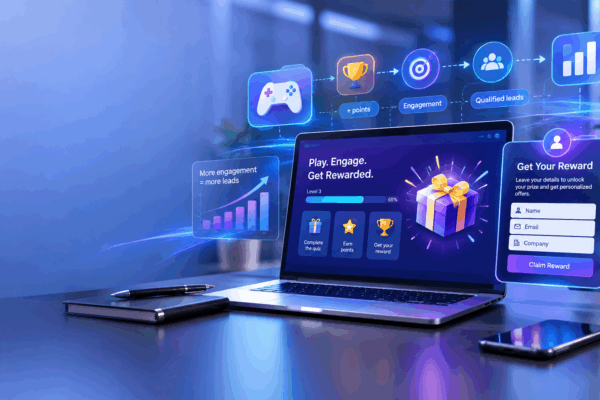
- Dwell Time: Measures how long visitors stayed within the footprint of your stand. A long dwell time generally indicates that your interactive elements, such as VR presentations or gamified experiences, are successfully holding attention.
- Engagement Depth: Did the visitor simply watch a looping video on a screen, or did they actively engage with a touchscreen kiosk, answer a qualifying questionnaire, and speak with a senior sales representative?
By analyzing these layers of engagement, marketing directors can refine their messaging on the fly. If dwell time is high but conversions are low, the product might be interesting, but the call-to-action or the sales pitch needs immediate adjustment.
The Ultimate Goal: Measuring Exhibition ROI
For commercial directors and financial officers, the ultimate justification for attending an international trade show is the return on investment. The advanced data collection methods discussed above provide the mathematical foundation for measuring exhibition ROI with unprecedented accuracy.
When you know exactly how many qualified leads interacted with a specific digital touchpoint or attended a specialized live demo, you can calculate your Cost Per Acquisition (CPA) with exact precision. You can track the customer journey from the moment they step onto the carpet to the moment they sign a contract months later.
This data-driven approach removes the guesswork from budget planning for future events. If the data proves that a specific interactive 3D model generated 60% of your qualified leads, you know exactly where to allocate your budget for the next show.
Designing for Data: A Practical Approach
Implementing these technologies cannot be an afterthought; they must be woven into the conceptual design phase. Cables for sensors must be hidden within the flooring; structural supports must be planned for overhead cameras; and interactive kiosks must be placed in ergonomic, high-traffic zones.
This requires a holistic approach to design and build. By exploring comprehensive custom exhibition stand solutions, you can ensure that the architecture of your booth actively supports your data collection strategy rather than hindering it.
Secure Your Data-Driven Advantage Today
The future of event marketing belongs to those who listen to the data. Stop relying on guesswork and subjective feedback to measure your event success. Transform your next international trade show appearance into a highly calibrated, lead-generating machine with seamless analytics integration.
Are you ready to build a stand that not only looks spectacular but delivers measurable, undeniable commercial results? Contact Nuevo Design today to schedule a consultation with our technology and design experts, and let us engineer your most successful exhibition yet.